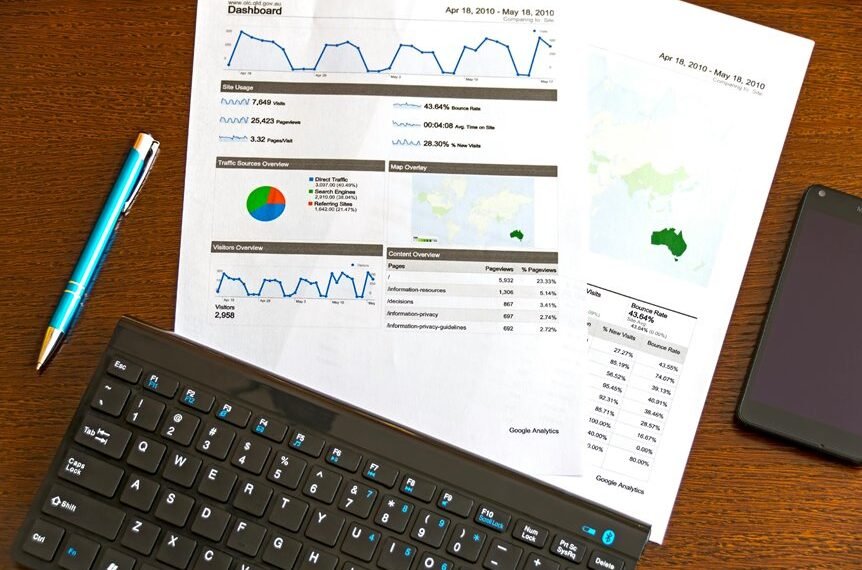

Temporal trend mapping provides a crucial framework for understanding fluctuations in numerical data, such as the series 286380369, 7786209254, 3316301512, 8000857608, 520470201, and 621182601. By systematically analyzing these figures, one can uncover significant patterns that may inform strategic decisions. The implications of such analysis extend beyond mere observation, prompting a deeper inquiry into how these trends could shape future scenarios and influence organizational responses. What insights might emerge from this exploration?
Understanding Temporal Trend Mapping
Temporal trend mapping serves as a crucial analytical tool for visualizing changes over time within various datasets.
This method enhances data visualization, enabling clear trend identification and the recognition of historical patterns.
By leveraging predictive analytics, analysts can forecast future developments based on past behaviors.
Such insights empower decision-makers, fostering a deeper understanding of dynamics that shape their environments and promote informed action.
Analyzing the Given Numerical Data
To effectively analyze numerical data, it is essential to employ systematic approaches that uncover underlying trends and patterns. This involves meticulous data interpretation to identify numerical patterns within the provided figures.
Applications of Temporal Trend Mapping
Mapping temporal trends serves as a powerful tool for various applications across multiple fields.
It employs data visualization techniques to enhance understanding, facilitating predictive analytics applications that forecast future outcomes.
Historical trend analysis provides context, while real-time monitoring ensures timely decision-making.
Together, these elements empower organizations to respond swiftly to changes, optimizing strategies and fostering adaptability in dynamic environments.
Insights Gained From Trend Analysis
Trend analysis yields valuable insights that guide decision-making across various sectors.
Through effective trend identification, organizations can pinpoint emerging patterns, enabling proactive strategies.
Data visualization enhances comprehension, transforming complex datasets into accessible formats. This clarity empowers stakeholders to make informed decisions, fostering innovation and agility.
Ultimately, the synthesis of these insights allows entities to navigate dynamic environments with confidence and autonomy.
Conclusion
In conclusion, temporal trend mapping serves as a crucial tool for deciphering complex numerical data, much like a compass guiding navigators through turbulent seas. The fluctuations and patterns identified within the series enable stakeholders to make well-informed decisions, fostering strategic adaptability in an ever-changing landscape. By leveraging predictive analytics, organizations can anticipate future outcomes and respond proactively to emerging trends, ultimately enhancing their capacity for innovation and resilience in dynamic environments.


 By
By