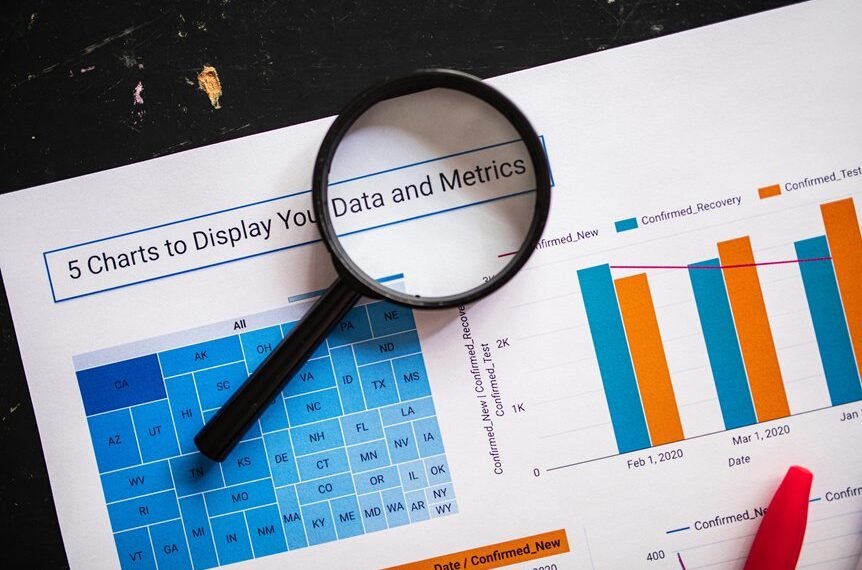

The Sector-Level Data Evaluation Report provides a detailed examination of various identifiers, including 367126119 and 8332076202. These data points unveil significant market trends and consumer behaviors. Analyzing these identifiers can yield insights into purchasing patterns that may influence strategic decisions. Stakeholders stand to gain from understanding these dynamics. However, the implications of these findings extend beyond mere observation. What specific actions should businesses consider in response to these emerging trends?
Overview of Sector-Level Data Identifiers
Although sector-level data identifiers serve as crucial tools for data categorization and analysis, their impact extends beyond mere classification.
These identifiers facilitate comprehensive sector analysis, enabling stakeholders to discern patterns and trends across various industries.
Trends and Insights From the Data Points
Sector-level data identifiers not only categorize data but also reveal significant trends and insights that shape industry dynamics.
Analysis of these identifiers unveils data patterns that reflect evolving consumer behavior, highlighting shifts in preferences and purchasing habits.
Such insights are crucial for understanding market movements, enabling stakeholders to adapt strategically while fostering an environment that promotes consumer autonomy and informed decision-making.
Implications for Businesses and Stakeholders
As businesses navigate the complexities of evolving consumer preferences, understanding the implications of sector-level data becomes essential for stakeholders.
This knowledge informs business strategies, enabling companies to align offerings with market demands.
Furthermore, effective stakeholder engagement is crucial, as it fosters collaboration and transparency, driving innovation and adaptability.
Ultimately, leveraging data insights can enhance competitive positioning and stakeholder satisfaction in dynamic environments.
Actionable Recommendations for Data Utilization
Understanding the implications of sector-level data sets the foundation for actionable recommendations that organizations can implement to optimize their data utilization.
Prioritizing data optimization strategies, such as real-time analytics and targeted performance metrics, can significantly enhance decision-making processes.
Additionally, fostering a culture of continuous improvement encourages innovation, ultimately driving performance improvement and ensuring adaptability in an ever-evolving business landscape.
Conclusion
In conclusion, the insights garnered from the sector-level data identifiers present an unparalleled opportunity for businesses to navigate the complexities of consumer behavior. By embracing these trends, stakeholders can wield the power of data like a master key, unlocking new avenues for growth and innovation. The implications are profound; strategic decision-making rooted in these insights can propel organizations to the forefront of their industries, ensuring they remain agile and competitive in an ever-evolving marketplace.


 By
By