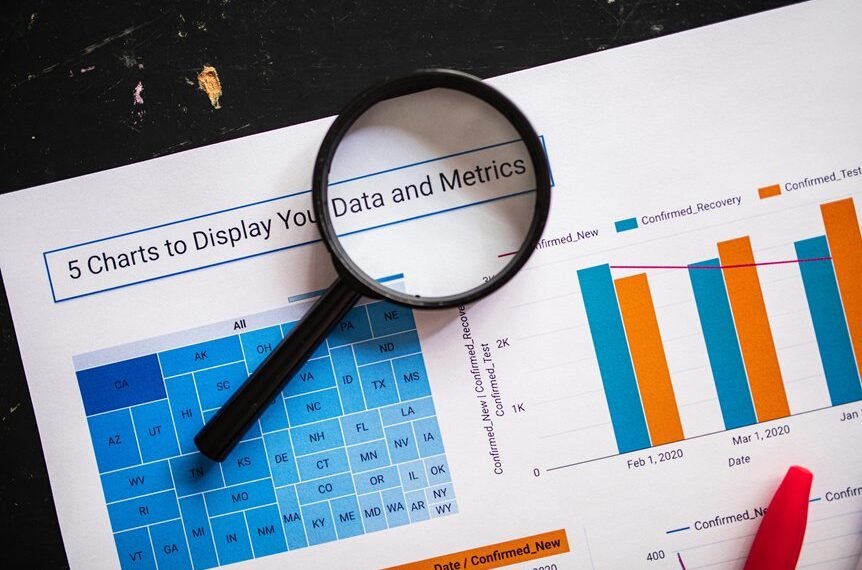

Operational data assessment is essential for organizations looking to enhance their decision-making processes. By examining identifiers such as 120917245, 919199473, 9565480532, 251849334, 648323739, and 611745759, businesses can uncover significant trends and patterns. This structured analysis reveals both operational efficiencies and inefficiencies. The subsequent identification of improvement opportunities sets the stage for optimizing business practices. The implications of these insights may reshape productivity strategies in unforeseen ways.
Overview of Operational Data Sets
As organizations increasingly rely on data-driven decision-making, understanding the nature and composition of operational data sets becomes essential.
Effective data integration ensures that diverse sources contribute to a coherent dataset, enhancing overall data quality. High data quality is critical, as inaccuracies can lead to misguided insights.
Thus, a comprehensive assessment of operational data sets is imperative for informed decision-making and sustainable organizational growth.
Analyzing Trends and Patterns
Operational data sets provide a rich foundation for identifying trends and patterns that can significantly influence organizational strategies.
Through trend analysis, organizations can discern shifts over time, while pattern recognition enables them to uncover recurring behaviors.
This analytical approach empowers decision-makers to respond proactively to market dynamics, enhancing the ability to adapt and innovate in pursuit of operational excellence and strategic freedom.
Identifying Improvement Opportunities
How can organizations effectively leverage their operational data to pinpoint improvement opportunities?
By systematically analyzing performance metrics, organizations can identify inefficiencies that hinder process efficiency. This analytical approach enables leaders to uncover bottlenecks and areas for enhancement, fostering a culture of continuous improvement.
Recognizing these opportunities not only optimizes operations but also empowers teams to innovate and adapt in a dynamic business environment.
Actionable Insights for Business Optimization
What strategies can organizations implement to transform their operational data into actionable insights for business optimization?
By leveraging advanced analytics, companies can align their business strategies with performance metrics, ensuring a data-driven approach to decision-making.
This enables the identification of inefficiencies, driving targeted improvements.
Ultimately, embracing such methodologies empowers organizations to enhance productivity, optimize resources, and foster sustainable growth in a competitive landscape.
Conclusion
In conclusion, the operational data assessment of identifiers such as 120917245 and 919199473 unveils a treasure trove of insights, akin to unearthing a goldmine of inefficiencies and opportunities. By meticulously analyzing trends and patterns, organizations can illuminate the darkest corners of their operations, transforming mere data into a beacon of actionable guidance. This rigorous approach not only fuels productivity but also propels businesses toward unprecedented growth, ensuring they soar to heights previously deemed unreachable.


 By
By