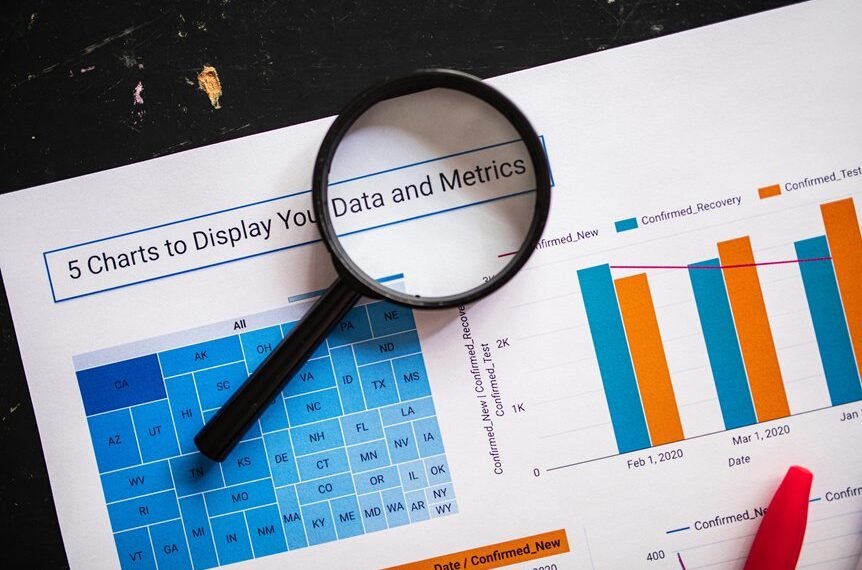

The enterprise data review of identifiers 911210043, 120865822, 427138030, 20155356, 367392324, and 913098300 presents a comprehensive analysis of market trends and operational performance. By examining these data points, stakeholders can identify significant patterns that influence strategic decision-making. The findings suggest potential areas for growth and adaptation. However, the implications of these insights warrant further exploration to fully understand their impact on future business strategies.
Overview of Data Points
In the realm of enterprise data management, a comprehensive overview of data points is essential for informed decision-making.
Effective data classification enables organizations to categorize information systematically, facilitating easier retrieval and analysis.
Furthermore, data visualization transforms complex datasets into accessible formats, aiding stakeholders in grasping insights quickly.
Together, these elements empower enterprises to navigate their data landscape with clarity and freedom, driving strategic initiatives forward.
Analysis of Trends and Patterns
Analyzing trends and patterns within enterprise data is pivotal for understanding business dynamics and making informed predictions.
The integration of data visualization techniques enhances the clarity of complex datasets, enabling stakeholders to identify significant shifts.
Predictive analytics further empowers businesses by forecasting future trends, allowing for proactive decision-making.
This analytical approach fosters a deeper comprehension of market behavior, ultimately facilitating strategic agility and innovation.
Implications for Business Strategy
While data analysis reveals trends and patterns, its implications for business strategy extend far beyond mere observation.
Effective strategic alignment of data insights can lead to enhanced decision-making and resource allocation, ultimately fostering a sustainable competitive advantage.
Businesses that leverage data analytics are better positioned to adapt to market changes, innovate continuously, and optimize performance, ensuring they remain agile and responsive in a dynamic environment.
Recommendations for Data Utilization
Strategic alignment of data insights naturally leads to the need for actionable recommendations on data utilization.
Organizations should prioritize data visualization techniques to enhance understanding and communication of insights.
Additionally, integrating predictive analytics can guide decision-making processes, allowing businesses to anticipate trends and adapt strategies accordingly.
Conclusion
In navigating the intricate labyrinth of enterprise data, the identifiers serve as guiding stars, illuminating patterns and trends that shape the business landscape. As stakeholders chart their course through this data-driven cosmos, the insights gleaned offer a compass for strategic foresight. By embracing predictive analytics, organizations can deftly steer their vessels, adapting to the shifting tides of market behavior. Ultimately, the judicious use of these insights ensures that they remain resilient navigators in an ever-evolving sea of opportunity.


 By
By