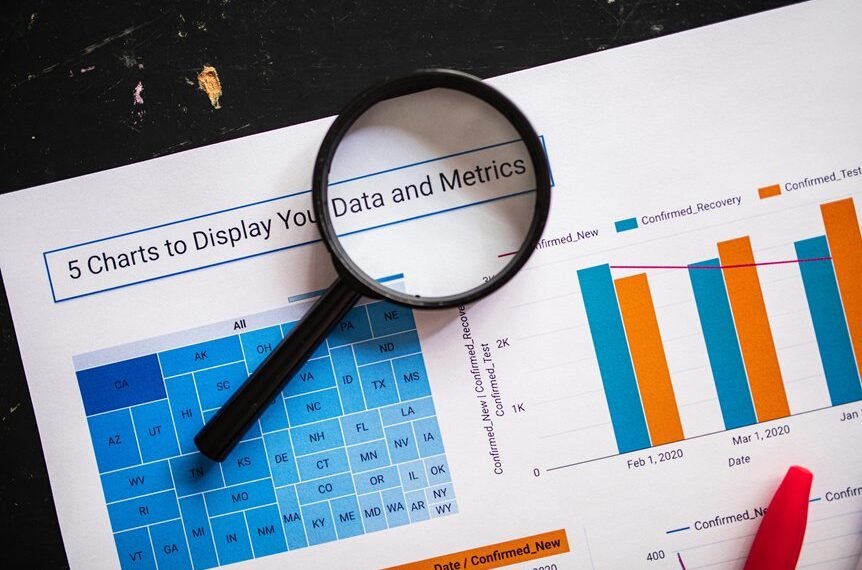

Business intelligence serves as a pivotal element in optimizing organizational performance. By examining key metrics such as 7137587200, 672825788, and others, companies can effectively analyze trends and patterns. This analysis not only aids in informed decision-making but also highlights potential growth opportunities. As businesses strive to implement data-driven strategies, the importance of understanding these metrics becomes increasingly evident. The implications of this analysis could reshape competitive strategies in today’s dynamic marketplace.
Overview of Key Metrics
Understanding key metrics is essential for businesses seeking to enhance their performance and make informed decisions.
Performance indicators serve as vital benchmarks, guiding organizations toward their objectives.
Effective data visualization transforms raw data into comprehensible insights, empowering stakeholders to grasp critical information swiftly.
Analyzing Trends and Patterns
Identifying trends and patterns within key metrics is a fundamental aspect of business intelligence that enables organizations to predict future performance and make strategic decisions.
Through effective trend analysis and pattern recognition, businesses can uncover insights that drive operational efficiency and enhance competitive advantage.
This analytical approach fosters informed decision-making, empowering organizations to navigate complexities while embracing a future shaped by data-driven insights.
Identifying Opportunities for Growth
A wealth of opportunities for growth often lies hidden within the data that organizations collect.
By conducting thorough competitive analysis, businesses can pinpoint gaps in the market and identify potential avenues for market expansion.
Understanding customer preferences and emerging trends enables organizations to capitalize on these insights, driving strategic initiatives that foster innovation and enhance their competitive edge in an ever-evolving landscape.
Implementing Data-Driven Strategies
Leveraging data analytics is crucial for organizations aiming to implement effective data-driven strategies.
By employing data visualization techniques, businesses can enhance understanding and communication of complex data patterns.
Additionally, predictive analytics empowers organizations to anticipate trends and make proactive decisions.
This combination fosters a culture of informed decision-making, enabling organizations to navigate challenges and seize opportunities, ultimately promoting freedom and innovation within the marketplace.
Conclusion
In conclusion, the effective use of business intelligence metrics such as 7137587200, 672825788, and others not only facilitates the identification of trends and growth opportunities but also empowers organizations to make informed decisions. While some may argue that data analysis can be overwhelming, embracing a structured approach to data-driven strategies enables businesses to distill complex information into actionable insights. By prioritizing analytics, companies can innovate and thrive in a competitive landscape, ensuring long-term success and sustainability.


 By
By